.jpg)
“This experience reminded me that the work is never done alone, and that learning together across borders and identities is not a side benefit of peacebuilding—it’s the very heart of it.”
-Women PeaceMakers Fellow Dr. Mariia Levchenko
“It was meaningful to meet the other fellows… in person to connect, share, and exchange our stories, experiences, and expertise. Although we come from different countries, we found common ground in our shared commitment to peacebuilding.”
-Women PeaceMakers Fellow Dr. Bochra Laghssais
Another year of the Women PeaceMakers Fellowship has come to a close. 2024-2025 Fellows Dr. Bochra Laghssais (Morocco and the Netherlands) and Dr. Mariia Levchenko (Ukraine and Germany) reflect on the past year of connection and growth.
The Women PeaceMakers Fellowship, established in 2002, aims to offer community, networking opportunities, and professional support to changemakers from around the world while they produce innovative peacebuilding research.
This 2024-2025 cohort studied peacebuilding within the diaspora. These Fellows live in a diaspora community and work to build peace within their country of residence using a gender-responsive approach. The Fellows conducted research using a gender lens on diaspora-led movements to make their countries of residence more peaceful. Their findings will be shared in a research report in the coming months.
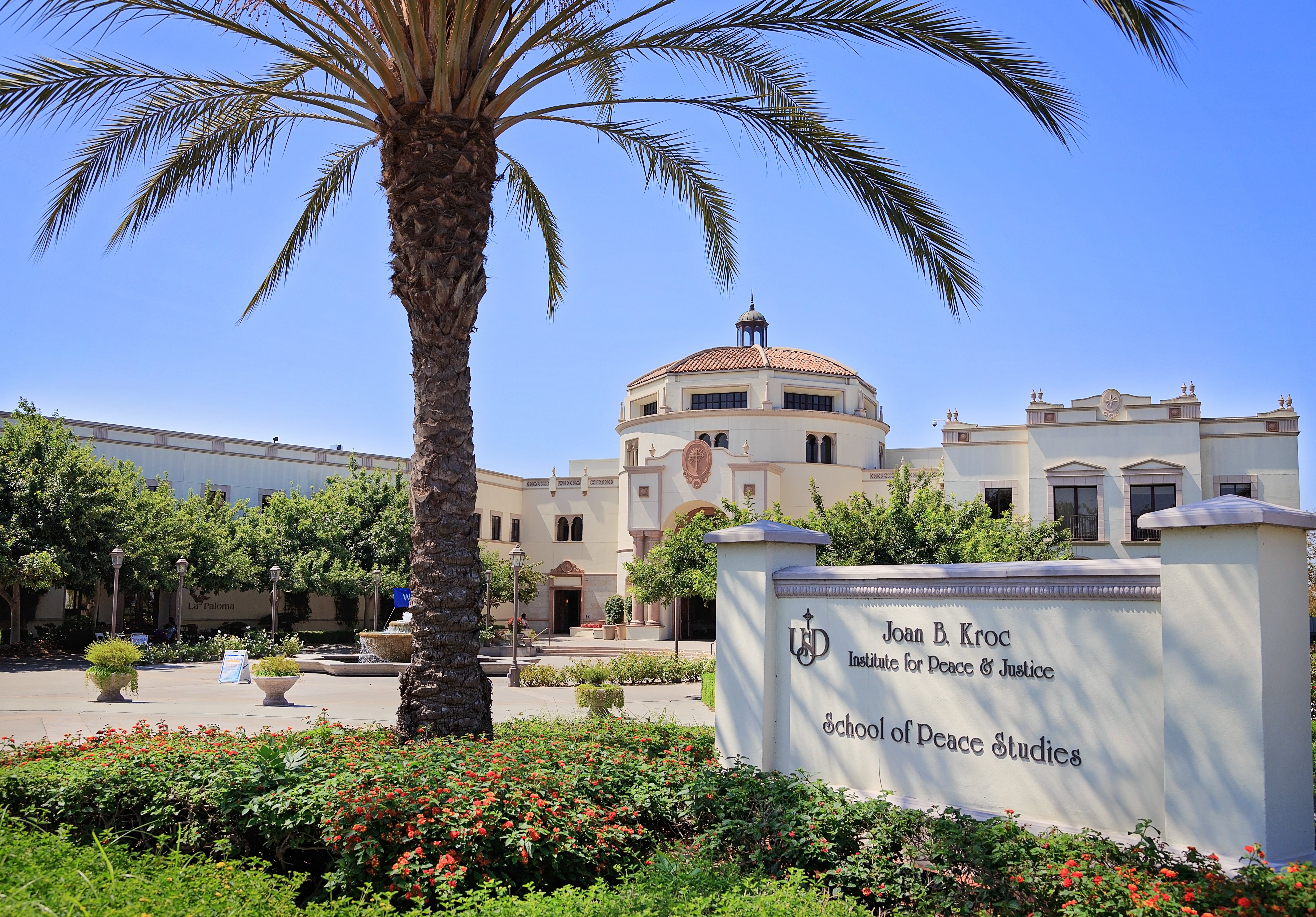
As part of the Fellowship, the Women PeaceMakers spent two weeks in residency at the University of San Diego to connect with the Kroc School community and engage in learning labs in preparation for their research.
Read on to learn how the Fellowship impacted Bochra and Mariia as peacebuilders.
.jpg?width=1800&height=1350&name=IMG_7672.heic%20(2).jpg) The Women PeaceMakers with Kroc IPJ team members
The Women PeaceMakers with Kroc IPJ team members
What was your favorite element from the Fellowship as a whole?
Bochra: My favorite element was the research aspect of the fellowship. As a peace studies scholar, it’s important to me not only to conduct research on peacebuilding, but to do so through a peace studies theoretical framework. This is especially relevant because grassroots peacebuilding by marginalized communities often lacks visibility. Through the fellowship, I had the opportunity to dive deeper into the peacebuilding initiatives of Amazigh Moroccan Dutch women in the Netherlands. I’m honored to have documented these efforts to make them visible to wider audiences, and I look forward to the publication of the final report.
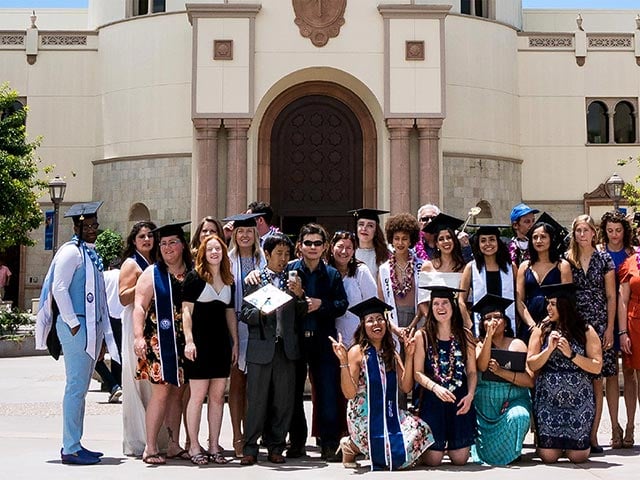
Mariia: My favorite element was standing on stage and sharing our stories. That moment—vulnerable, public, and deeply personal—captured the essence of the Fellowship for me. It was about being seen not just as professionals or researchers, but as women who carry histories, contradictions, and hopes. In sharing those stories, I also learned a great deal from the other Fellows. We spoke from very different places—different conflicts, different cultures, different types of exile or return—but there was something deeply unifying in the exchange. Another important element was the chance to interact with everyone at the Kroc Institute for Peace and Justice who made this program possible. Their thoughtfulness, encouragement, and commitment to creating an inclusive space made our time in San Diego not just meaningful, but also joyful. There was a feeling of genuine care and solidarity that extended beyond formal sessions. Whether over coffee, during student conversations, or while preparing for public events, those informal interactions added something irreplaceable. For me, it was a reminder that peacebuilding isn’t just about frameworks and theories—it’s about human relationships.
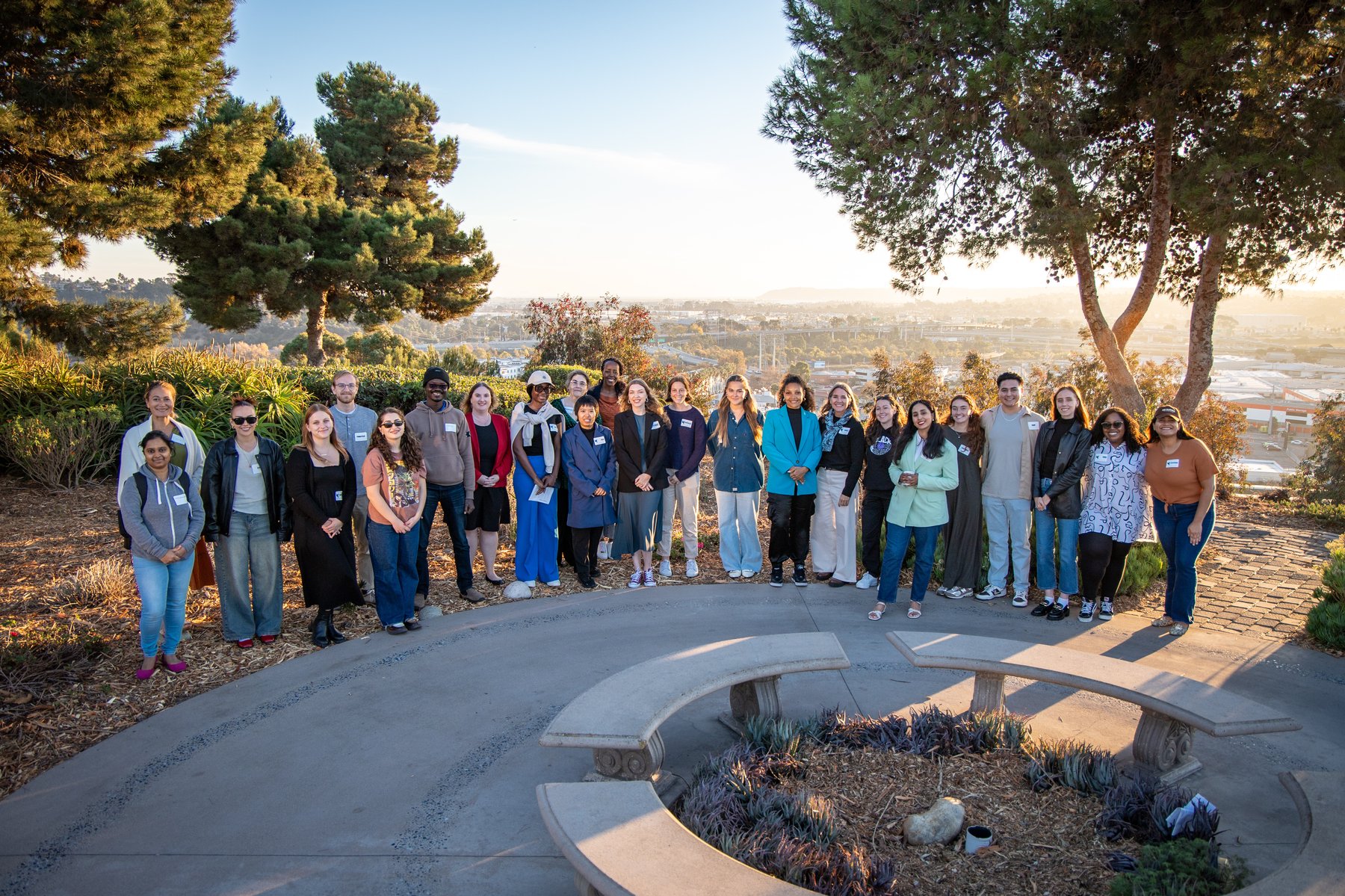 The Women PeaceMakers with Kroc School students
What was your favorite experience from your time in San Diego?
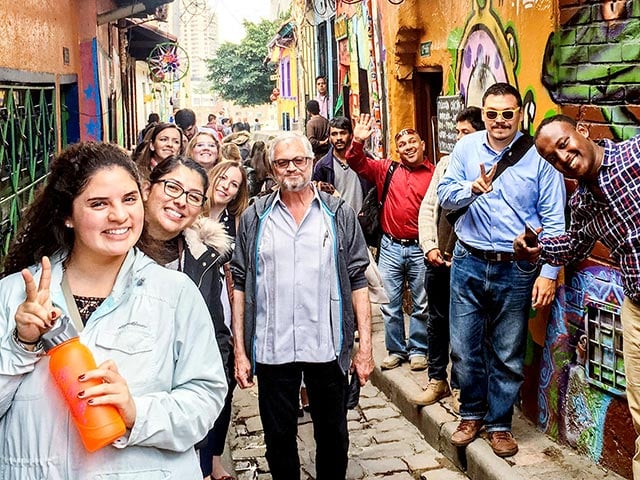
Bochra: I truly enjoyed the entire residency period of the fellowship. It was meaningful to meet the other fellows, Mariia and Temi, in person to connect, share, and exchange our stories, experiences, and expertise. Although we come from different countries, we found common ground in our shared commitment to peacebuilding. It was also a joy to engage with the dedicated staff and students at the University of San Diego. I appreciated the variety of activities in our program, from roundtable discussions to delivering a lunchtime lecture and recording a podcast. These moments created essential opportunities to share our stories and highlight the diverse peacebuilding work we do in our respective countries. Another experience that especially stood out to me was the tour of Chicano Park, where we had the chance to learn from Professor Alberto López Pulido, PhD, about the powerful history of the Chicano murals and the community’s resistance. It was a beautiful and inspiring moment that emphasized the importance of art, identity, and activism in public spaces as a form of peacebuilding. The residency was an excellent experience overall. I felt truly welcomed by the university and the city of San Diego. I especially want to thank our Women, Peace and Security Program Officer, Briana Mawby, for going above and beyond to make our stay so special and enjoyable.
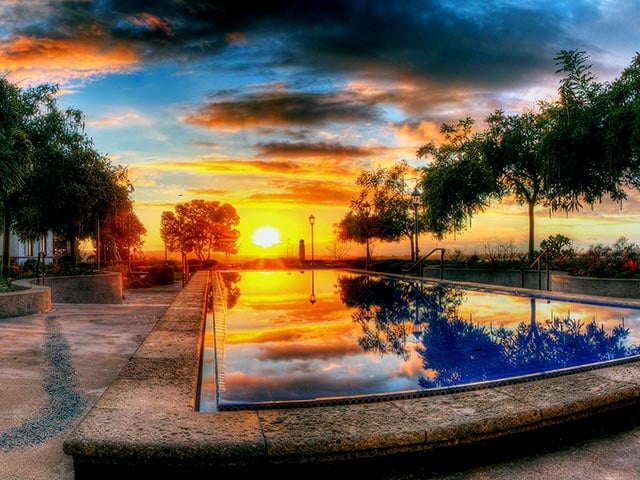
Mariia: It’s hard to isolate one favorite moment because, for me, the whole San Diego experience felt special. Until that point, most of our interactions as Fellows happened online—structured sessions, research discussions, and periodic check-ins. But being physically in the same space changed everything. We were no longer just faces on a screen but people who shared sunsets, hiked together, sat around tables, and talked for hours about what peace means to us personally and politically. There was something grounding and deeply human in those everyday moments. It wasn’t just a residency; it felt like a temporary community built on care, curiosity, and a quiet understanding of what it means to do this work in difficult contexts.
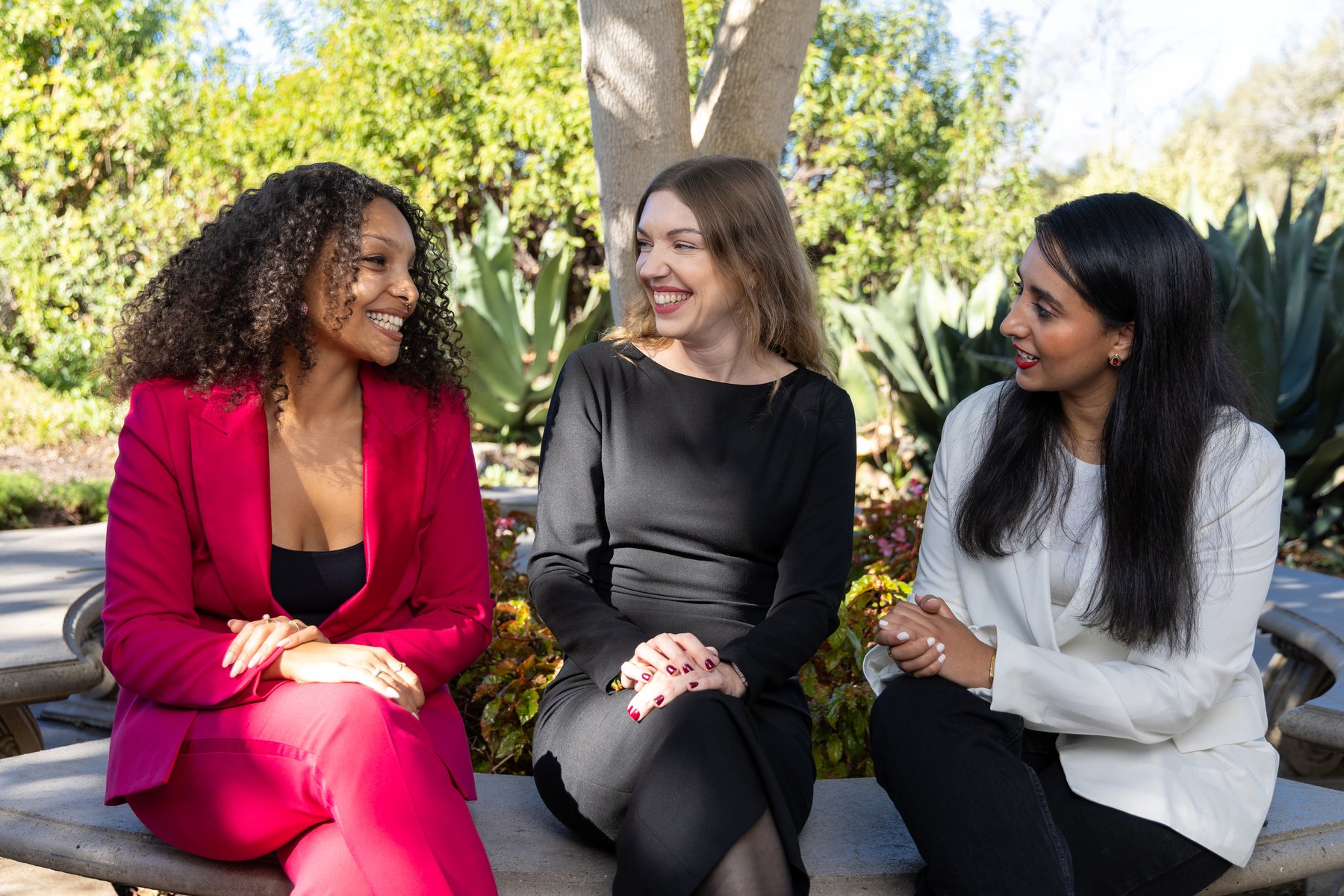 The Women PeaceMakers in the Garden of the Sea
How has being in this Fellowship impacted your peacebuilding work?
Bochra: The fellowship has strengthened my peacebuilding work by providing the space, support, and resources to grow. One of the most impactful outcomes was the facilitation of a partnership with PAX for Peace, the largest peace organization in the Netherlands. Having PAX for Peace as an international partner for my case study added both relevance and depth, especially since my research focuses on peacebuilding efforts within the Dutch diaspora context. Additionally, through my fieldwork, I had the opportunity to meet, interview, and connect with a range of local peacebuilders that enriched the research process. These connections helped me build a strong network that I believe will continue to support and amplify peace initiatives through mutual collaboration and shared knowledge. In addition, the fellowship connected us to the Women Waging Peace (WWP) network, a powerful and inclusive international community of peacebuilding experts. Being part of this network will expand my perspective and create possibilities for future collaboration beyond national borders.
Mariia: This Fellowship expanded my thinking in ways I couldn’t have predicted. It gave me the chance to reflect on my own work through the lens of others who are also navigating complex realities, many of whom, like me, live and work in diaspora. Hearing how each of us carries our communities with us—sometimes as a burden, sometimes as strength—made me think differently about what it means to be rooted in a place while being physically elsewhere. It deepened my understanding of the emotional and political labor that comes with that position. The Fellowship was a shared learning experience. We challenged each other, asked difficult questions, and explored how peacebuilding can look different across contexts but still be grounded in the same values. I left with a renewed sense of purpose, but also with more humility. I’m more aware now of the importance of transnational solidarity and the power of bringing people together who might not usually share space—academics, practitioners, activists, and community leaders. This experience reminded me that the work is never done alone, and that learning together across borders and identities is not a side benefit of peacebuilding—it’s the very heart of it.