
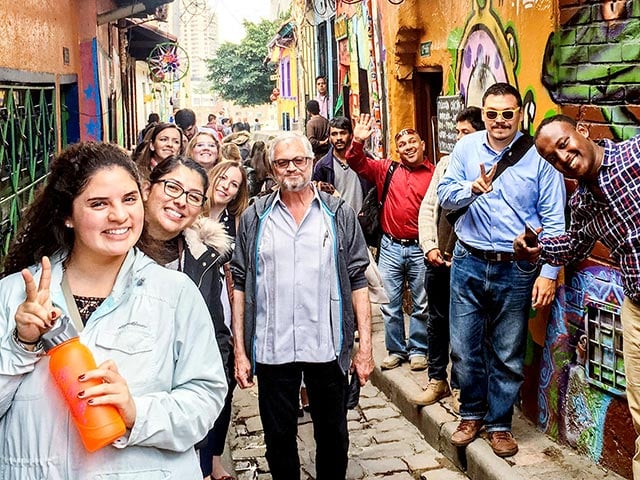
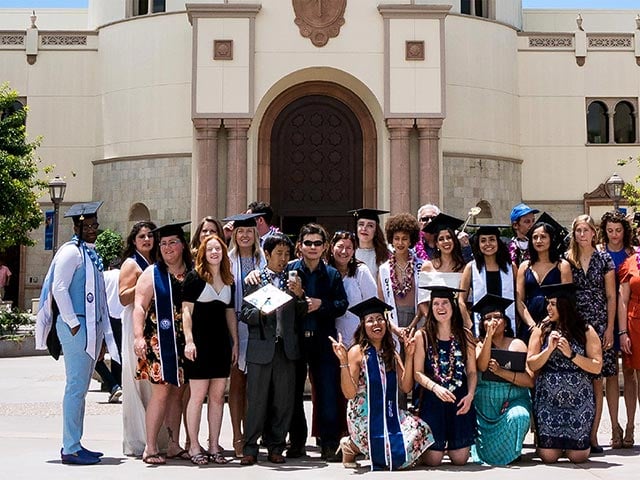
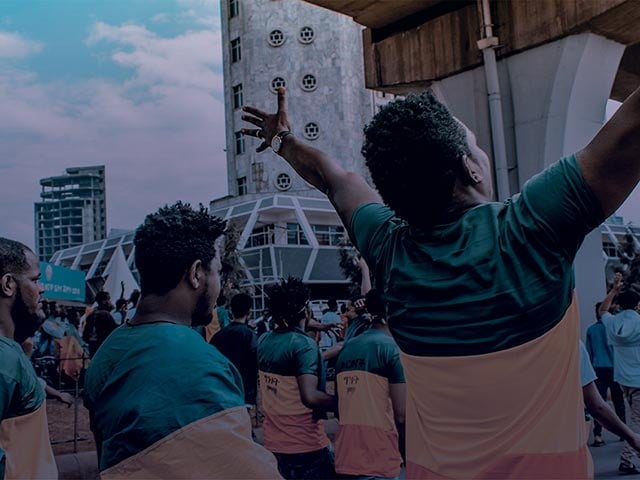
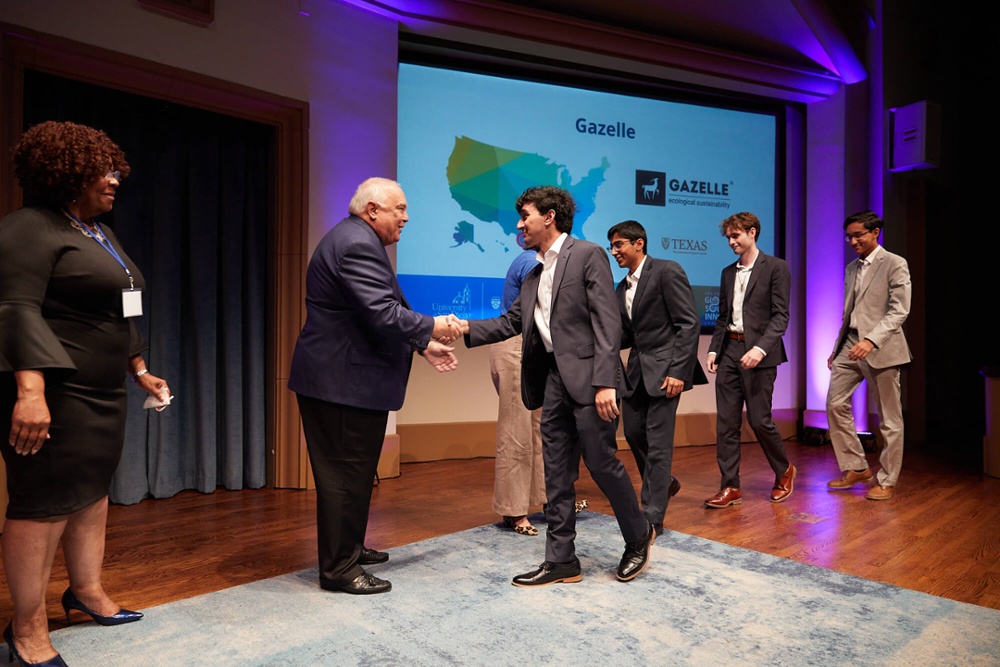
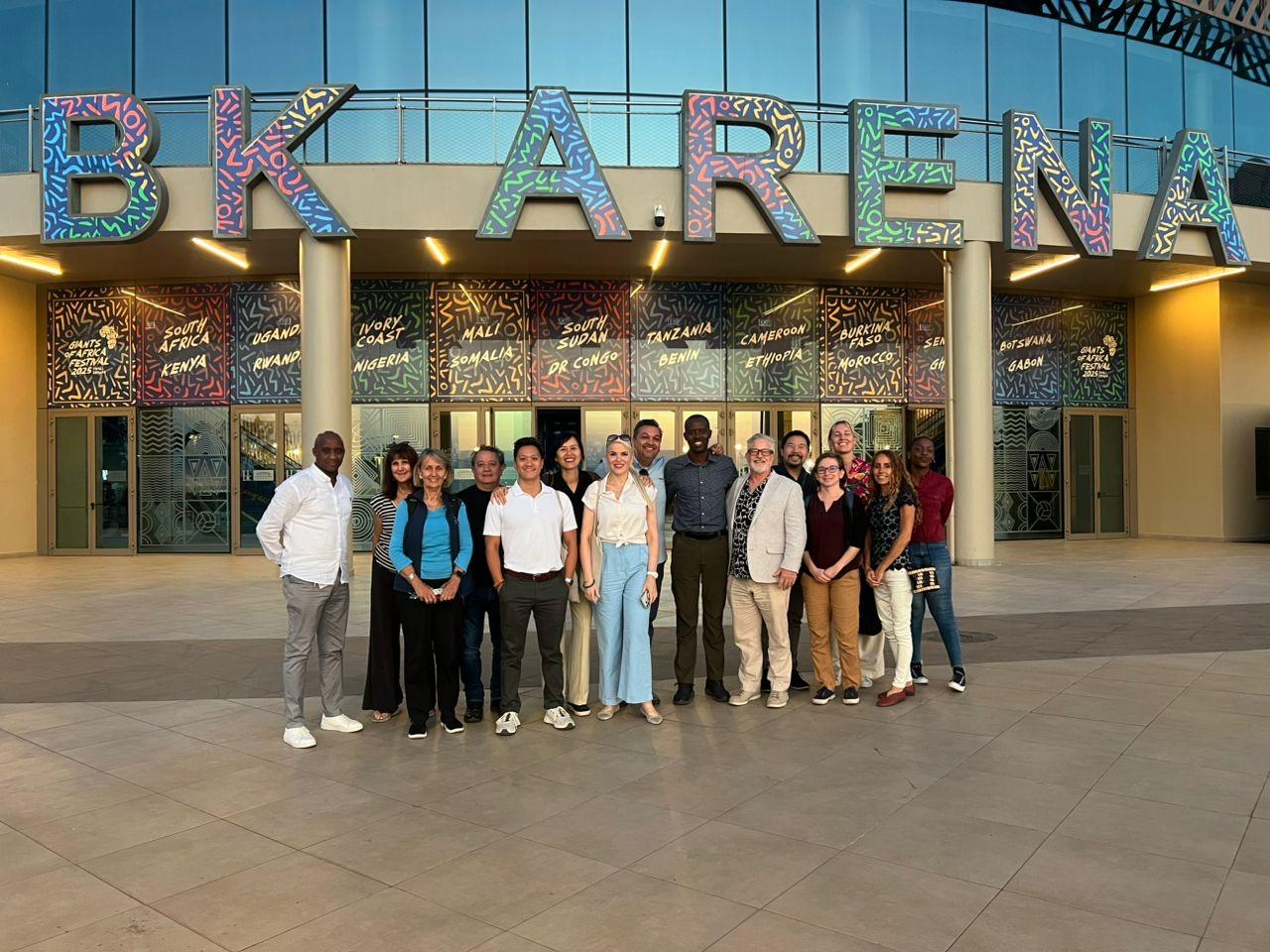
What happens when a nation once torn apart by genocide becomes a model of resilience, innovation, and shared progress? That question framed the Rwanda segment of the Kroc School’s Global Executive Seminar, where fellows traveled to Kigali, Rwanda, to learn from leaders and organizations redefining what it means to use business as a force for good, the third segment of their global safari. Read more about the San Diego and Spain segments of their journey.
Rwanda is often defined from the outside by two words: genocide and gorillas. For many, those associations overshadow the country’s remarkable transformation over the past three decades. Since 1994, Rwanda has emerged as one of Africa’s most stable and forward-looking nations. The government has invested heavily in reconciliation, infrastructure, education, and technology, positioning itself as a hub for innovation and community-centered growth. Rwanda’s story, in particular, opened new windows into the power of community-driven development, human dignity, and the resilience of the human spirit.
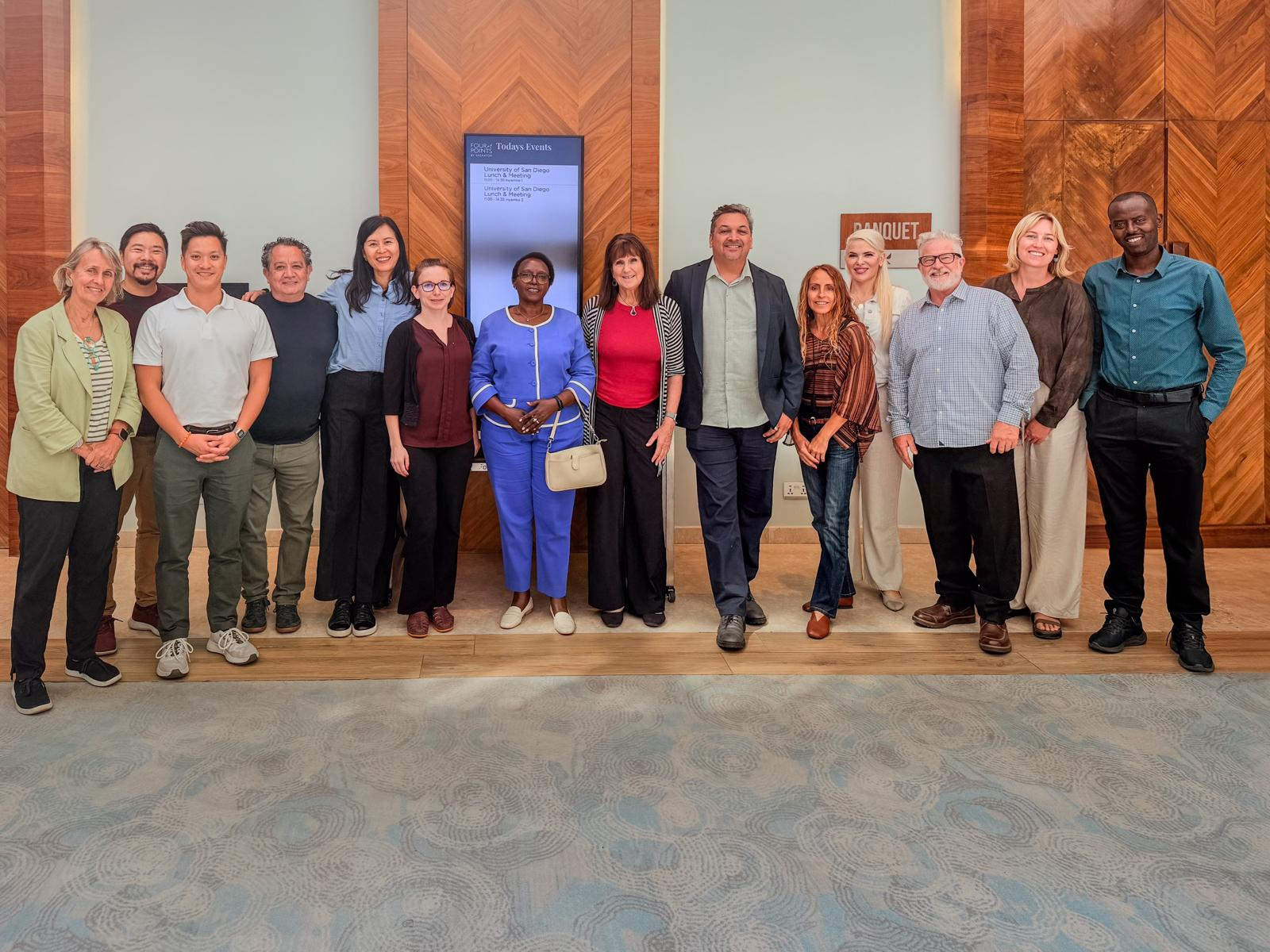
The Global Executive Seminar Fellows & Facilitators in Rwanda
“Words can hardly capture the richness and complexity of what we experienced in Rwanda,” said Abraham Chen, a fellow in the program. “We continuously encountered people who survived hell on earth and yet chose joy, forgiveness, and hope. What we brought home was not just professional inspiration, but a deeply human reminder of resilience.”
ORGANIZATIONS SHAPING RWANDA’S FUTURE
The cohort visited a range of companies and organizations advancing inclusive development and social innovation. At each site, the fellows witnessed the same thread: innovation tied directly to social responsibility, and profitability aligned with purpose. Some of the sites include:
- Abahizi Rwanda – A Certified B Corp and Co-Op that manufactures Kate Spade handbags while also providing healthcare, mental health counseling, feminine care, and daycare for its employees and members of the surrounding community.
- Zipline – A $7B drone company that has completed more than one million flights, delivering lifesaving blood and medical supplies to 900 remote hospitals while creating hundreds of engineering and AI jobs in rural Rwanda.
- Masaka Farms – An agricultural enterprise that employs more than 60% of its workforce from the deaf community, redesigning its operations to ensure long-term accessibility and empowerment.
- Virunga Mountain Spirits – Founded by Karen Sherman, this spirits company partners with a women’s potato cooperative in Rwanda’s volcanic highlands to produce premium vodka. The enterprise creates income for women farmers while promoting sustainable agriculture and environmental stewardship.
- Handspun Hope – A social enterprise supporting 200 women living with HIV, along with their children, by offering steady work in textile production alongside counseling, medical care, and community support.
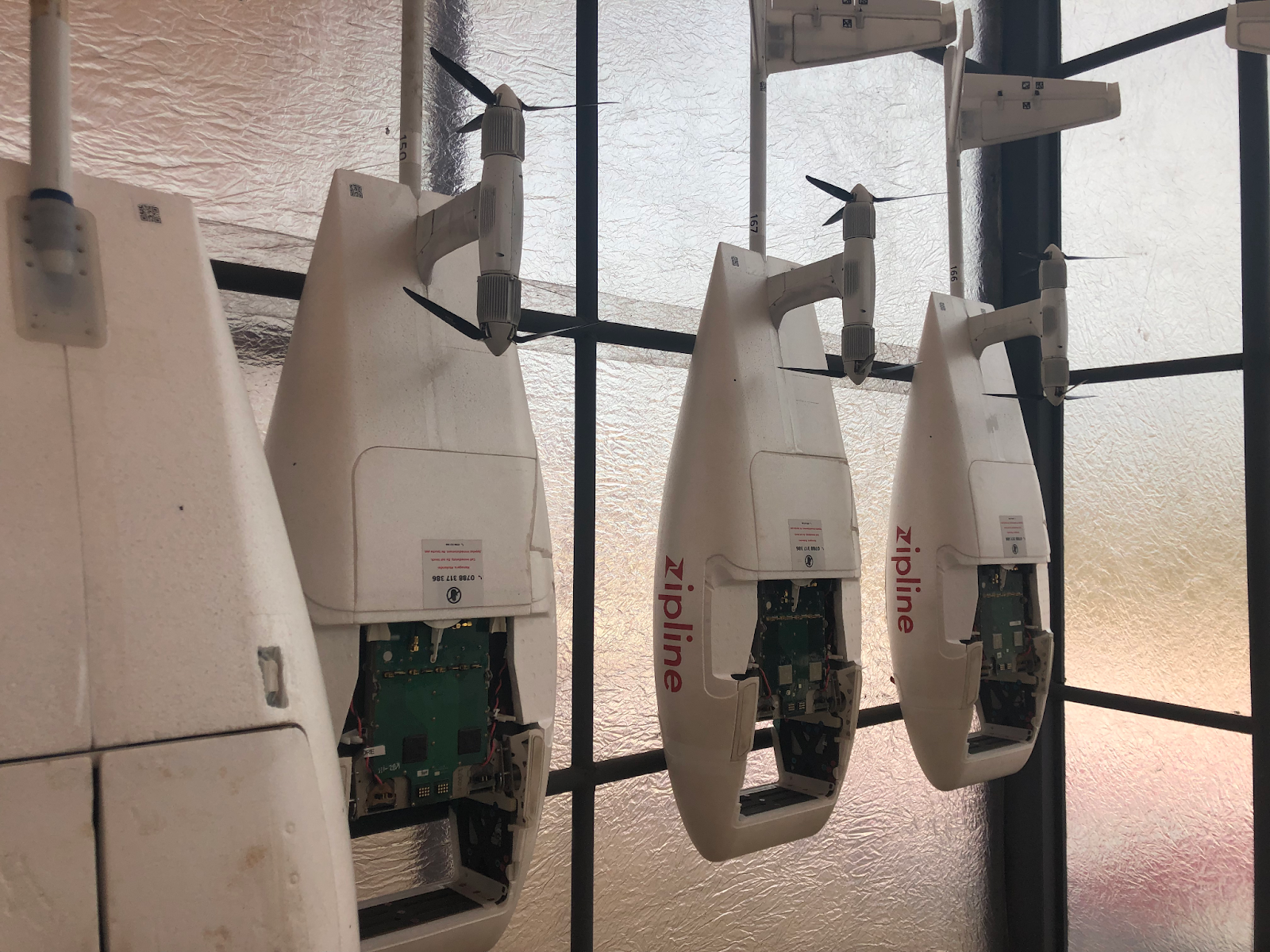
Zipline is the world's largest autonomous delivery system, specializing in on-demand drone delivery and instant logistics. Zipline originally started delivering blood and medical products in Rwanda in 2016 and has since expanded to food, retail, agricultural products, and animal health products.
SPACES THAT INSPIRE
The cohort also visited BK Arena, Rwanda’s premier indoor venue for basketball, volleyball, and large-scale events. More than a sports facility, BK Arena represents the country’s investment in youth, culture, and national pride. For the fellows, the visit highlighted how Rwanda is building spaces that host world-class competitions and fosters national pride and collective identity.
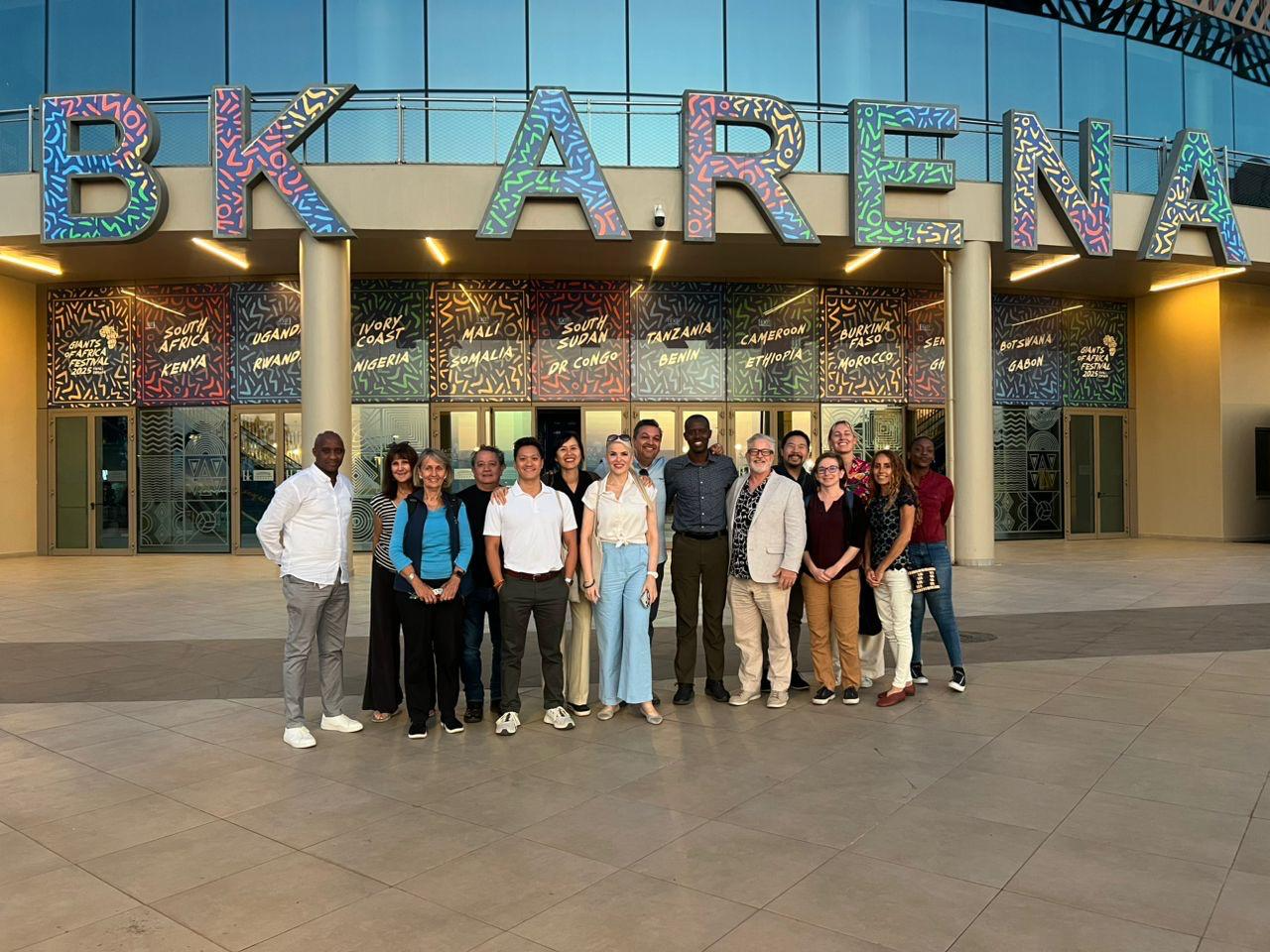
The Global Executive Seminar Fellows & Facilitators at BK Arena in Kigali, Rwanda
A TRANSFORMATIVE LEARNING EXPERIENCE
As the Global Executive Seminar concluded its final leg, fellows returned with insights about business models and a deeper understanding of the human spirit. Rwanda taught them that resilience is not the absence of pain but the deliberate choice to build something better.
Dr. Paula Cordeiro, program founder and faculty lead, reflected on the experience, “This journey wasn’t just about learning new business models—it was about rethinking what’s possible when profit and purpose align. Rwanda showed us that resilience is a choice, and renewal is a collective act.”
For the fellows, the journey doesn’t end in Kigali. It continues in boardrooms, nonprofits, classrooms, and government offices, where they will carry these lessons into action. Stay tuned as they return home, challenged to ask: How can I lead with courage? How can I align profit with purpose? How can I use my position to build a more just and equitable world? Their final presentations in October will provide an opportunity for reflection around these questions and more.
The Global Executive Seminar reflects the Kroc School’s mission to prepare leaders with boldness and creativity. If you’re ready to expand your leadership, join a network of global changemakers, and experience a learning safari unlike any other, learn more about the Global Executive Seminar today.