
.jpg)
My first experience of providing humanitarian aid was in the Central African country of Burundi. Civil war was in full swing. Of the many challenges, the most difficult were acutely malnourished children. With skinny limbs and protruding ribs, and flies huddled on their faces, their agonizing pain was impossible to ignore. The programs I helped support moved the children from therapeutic feeding toward a modicum of health. Those who made it could return home. Their resilience was amazing.
From that point, I knew I had transcendent empathy. We are all interconnected. My feelings for those far away — people I've never met — are the same feelings for people close to me. I believe, to paraphrase Kurt Vonnegut, we are here to help each other get through whatever we're struggling with. This is tremendous motivation and drives me to have an above-average risk tolerance.
So the current Administration's abandonment of foreign assistance is intolerable. As a result of the cuts last year, millions of people are dying. Not just from bullets but from basic diseases and, in the most horrible kind of death, malnutrition. Too few have raised a finger to do anything about it. The group most devastated by the desertion of altruism is children. No other group than children is more deserving of assistance.
I co-founded and led for a dozen years a non-profit organization that localized manufacturing for humanitarian purposes. We saved lives, reduced suffering, trained people, and helped create not just jobs but also new enterprises and innovations that no one had ever done before. Supplies were delivered to extremely difficult places at a fraction of the cost and time involved. If the current Administration were serious about finding efficiencies and supporting proven impact, Field Ready’s funding would still be in place.
At the University of San Diego's Kroc School, for the last several years, I have taught logistics and humanitarian safety. Much of what I share with the students is based on my experiences. Endlessly working is a mistake; it’s essential to take a break, sharpen the saw, and challenge oneself in new ways. Learning takes exploration, dealing with uncertainty, and testing our resilience. I've found a way to do that by combining challenges with purpose.
The Clipper Round the World Race consists of ten ocean-going sailboats in a friendly race. Soon, I’ll join the Pacific Ocean leg, perhaps the harshest and most unforgiving. So remote is the crossing that, for a stretch, the only other people around will be the astronauts on the International Space Station.
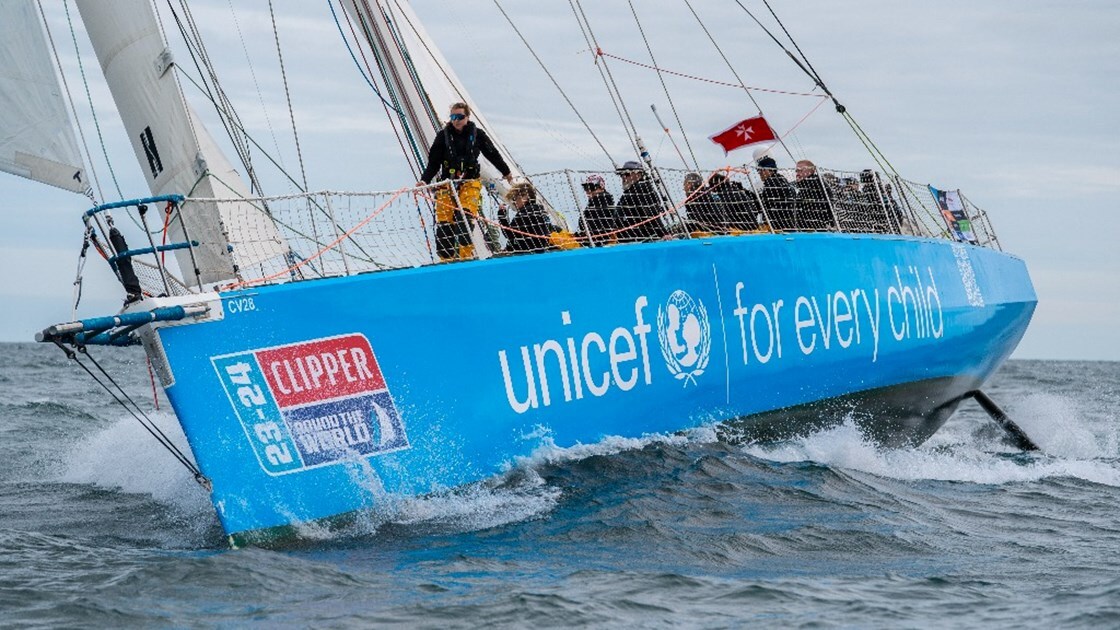
UNICEF returns as a Charity and Team Partner for the Clipper Round the World 2025-26 Race, marking a decade of partnership between the world’s most unique ocean adventure and the global child rights organisation.
This has been planned for years, and now it’s my turn. To get ready, it's taken weeks of training, months of physical conditioning, and even longer mental preparation. Specifically designed layered clothing – foul-weather gear – is required. Above all, strict adherence to safety precautions and special equipment, including a harness that attaches each sailor to the boat, is needed every moment at sea.
In the face of our global challenges, a sailboat race might seem like a privileged waste of time. However, the Clipper Race’s dedicated charity is UNICEF; this is the boat I’ll be crewing. There’s an opportunity to make a difference by supporting UNICEF and impactful groups like Field Ready by bringing attention to the vital issues they help resolve.