
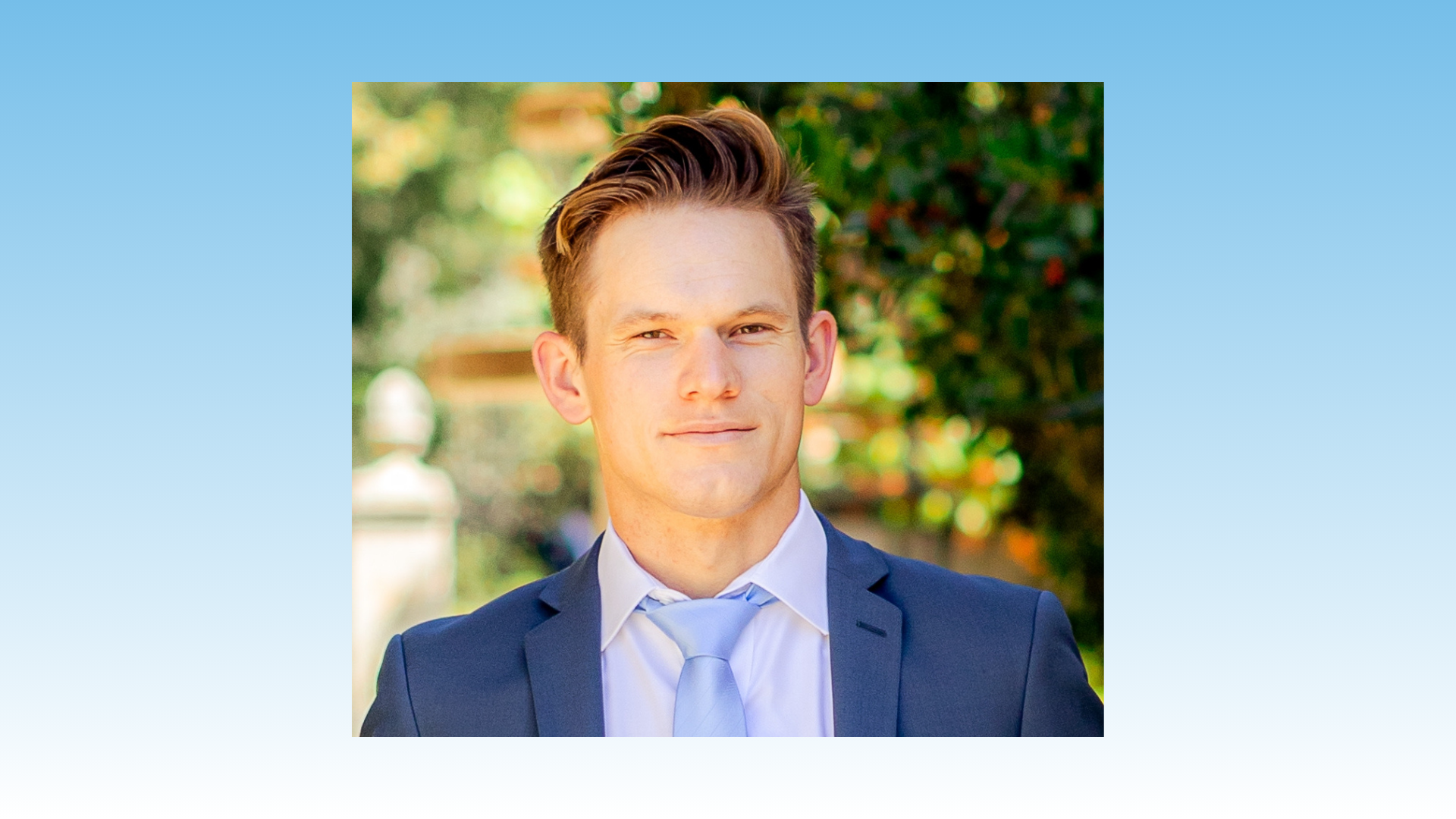
Frank Wyer joins the Kroc Institute for Peace and Justice as a Residential Fellow from 2025-2026. Frank completed his PhD in Political Science at the University of California, Los Angeles, in 2023. From 2023-2025 he was a Beall Postdoctoral Fellow at the Naval Postgraduate School. His research explores how governments, civilians, and the international community respond to violent conflict and build peace in fragile states. His dissertation focused on the challenge of rebel group fragmentation during peace processes. Chapters of his dissertation have appeared in International Organization and the British Journal of Political Science.
At the Kroc Institute for Peace and Justice, he is pursuing a set of projects exploring the attitudes and behaviors of civilians during public security crises. Read on to learn more about Frank and his work.
What are you most looking forward to in the fellowship?
I am at a very exciting phase with several of my research projects. I have been shortlisted for a grant that would allow me to run a survey on gang violence, voting, and migration in Ecuador. I've been invited to revise and resubmit an article about Disarmament, Demobilization, and Reintegration programs in Colombia to a widely-read journal in peace and conflict studies. And I have started work on an ambitious book project on why and how armed groups fragment and reignite conflict after peace processes. So these projects are all at very exciting stages, and I look forward to making a great deal of progress during my fellowship term. I have also had the opportunity to meet a number of researchers and faculty at the University of San Diego, and I am excited about the prospects for undertaking collaborative projects with my new colleagues here.
What is your research focus? What impact do you hope your research will have?
Very broadly, I am interested in how governments, civil society, and ordinary people deal with violence, whether that means governments deciding when and how to negotiate with rebel groups, or civilians deciding what to do about the gangs controlling their neighborhoods. So for example, one of my current projects evaluates the use of curfews as a response to gang violence in Ecuador and assesses whether curfews permanently reduce gang violence or temporarily displace it. Another project that I recently completed analyzed Colombia's 2016 peace process with the FARC, and investigated why some elements of the FARC demobilized while others continued fighting. What I hope is that my research on topics like these can shed some light on what works to prevent violence and what doesn't.
What led you to pursue work in the peace and justice field?
Initially, my interest in this field was largely academic. I took some courses on the topic in grad school, read some books I found really fascinating, and decided to do field work in Colombia to study a recent peace agreement there. Over the years, doing research with victims of conflict and, in a few cases, working as an expert witness for refugees and asylum-seekers, has made the stakes of this work much more real and tangible to me. So while I still find these questions interesting from an academic perspective, I now also feel a great deal of urgency around understanding the drivers of violence and identifying practical solutions.
About the Author
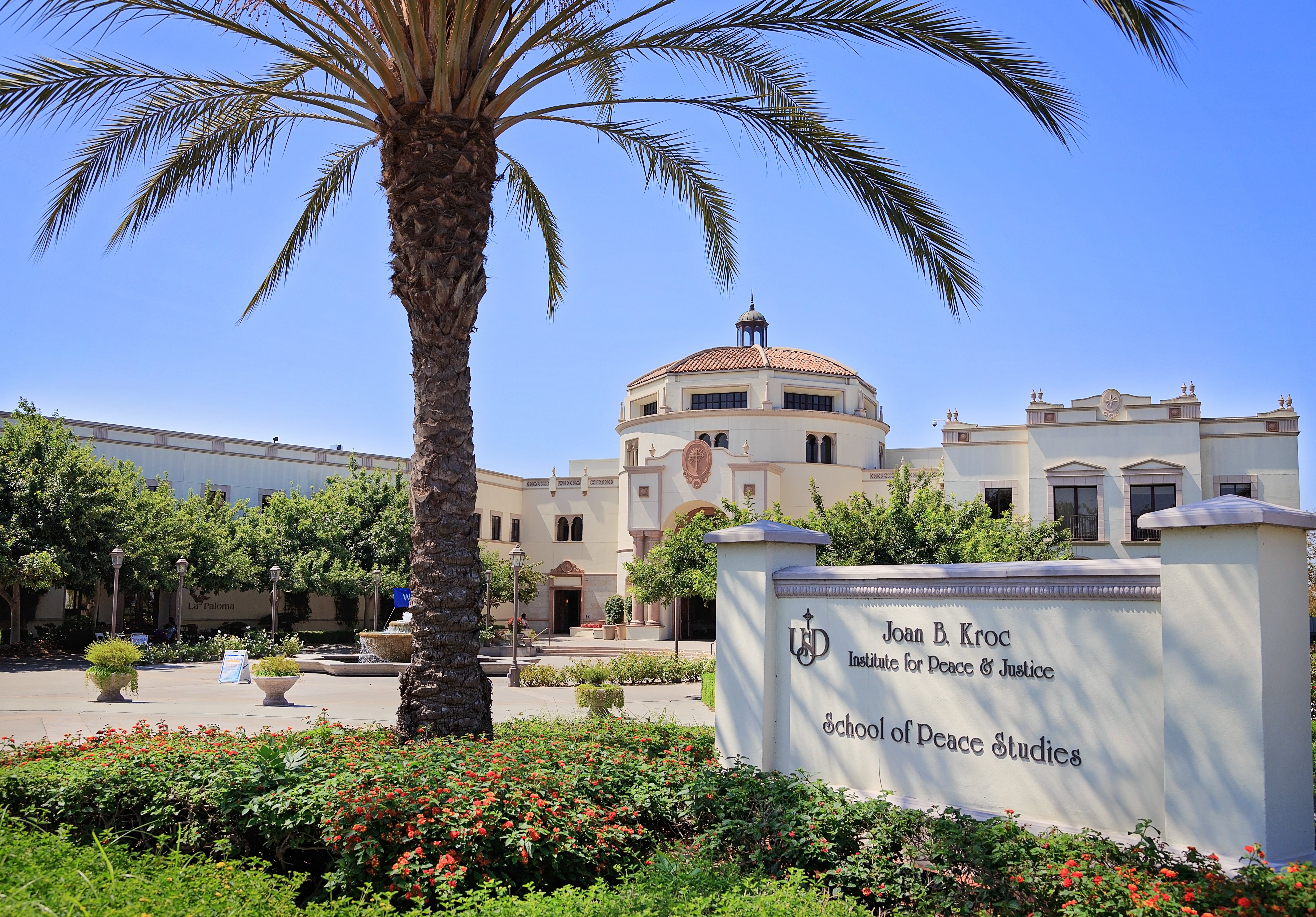
The Joan B. Kroc Institute for Peace and Justice (Kroc IPJ) launched in 2001 with a vision of active peacebuilding. In 2007, the Kroc IPJ became part of the newly established Joan B. Kroc School of Peace Studies, a global hub for peacebuilding and social innovation. The core of the Kroc IPJ mission is to co-create learning with peacemakers — learning that is deeply grounded in the lived experience of peacemakers around the world, that is made rigorous by our place within a university ecosystem and that is immediately and practically applied by peacemakers to end cycles of violence.